Acompte or arrhes: which booking deposit should you ask for in France?
Asking for money at booking protects your diary from no-shows. But under French law, you need to know whether you are taking an acompte or arrhes: the difference changes what you can keep when a client cancels.
- By The Pommette team
- 4 min read
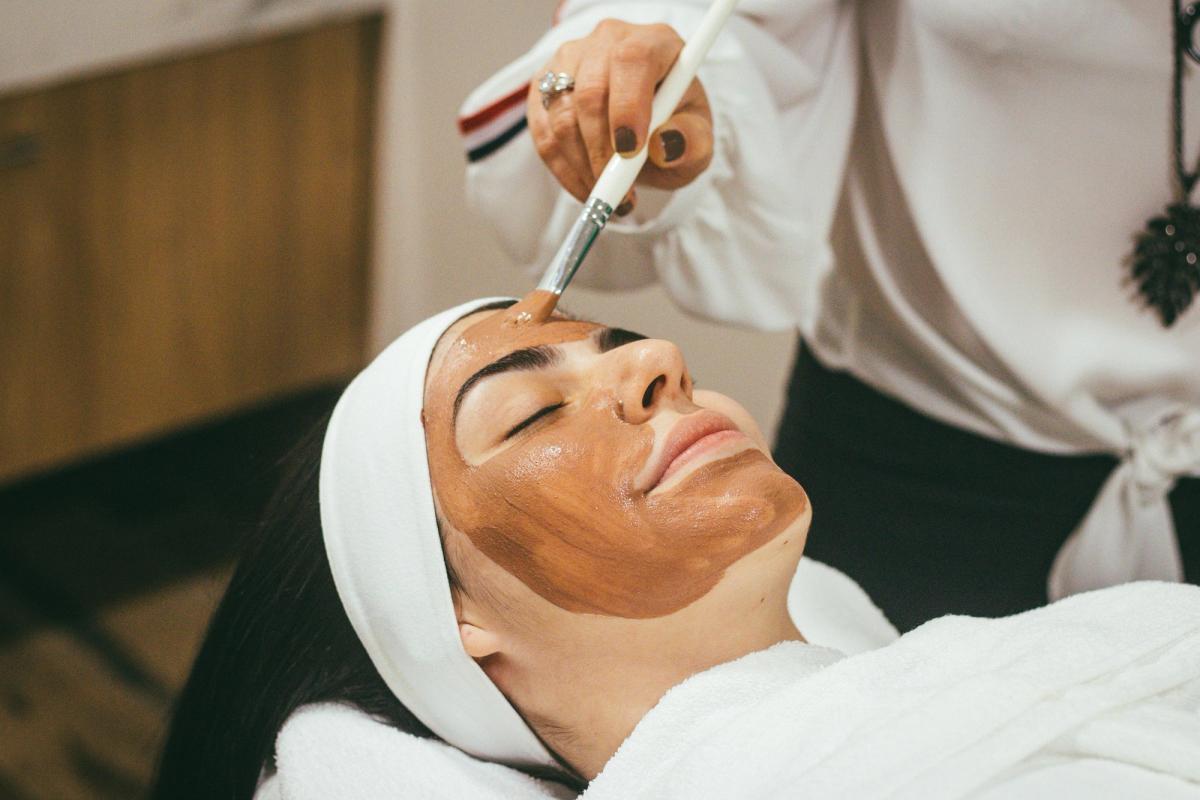
An empty one-hour facial slot is an hour of lost revenue that no other client will make up for. So many practitioners ask for a payment when the client books. But in France, the word you use for it is not a detail: an acompte and arrhes do not have the same effects, and the law decides when nothing is written down.
Arrhes and acompte: what French law says
Between a business and a consumer, the French Consumer Code sets a simple rule (article L214-1): unless the contract says otherwise, any sum paid in advance counts as arrhes.
Arrhes: either side can withdraw
With arrhes, the booking is not final:
- if your client cancels, she loses the arrhes, and you ask for nothing more;
- if you cancel, you pay her back twice the amount she paid.
Arrhes are a kind of “price for pulling out”. They suit you if you want to stay flexible on both sides.
Acompte: a firm commitment
An acompte is a first payment towards a treatment that both parties commit to. In principle, a client who pulls out still owes the price, and you are still bound to provide the treatment. In practice, practitioners almost never claim the full price of a missed treatment: your cancellation terms say what you keep, and by when.
For the payment to be an acompte, you have to write it down. Without the word “acompte” in terms the client has accepted, the arrhes rule applies.
Which one is right for your salon?
Both work, as long as you are consistent:
- Arrhes if you want a rule that is easy to explain: “if you cancel, the amount paid is kept”. The flip side: if you have to cancel an appointment (illness, emergency), you should in principle refund twice the amount.
- An acompte if you want more precise terms: refunded or carried over if the client gives enough notice, kept for late cancellations or no-shows.
Whichever you choose, the amount should stay proportionate to the price of the treatment. A fixed amount (for example €20 for an €80 treatment) or a share of the price both work; what matters is that the client knows it before paying.
If you sell courses paid in advance, our article on scheduling lymphatic drainage courses helps you organise the calendar for those sessions.
What your terms of sale should say
Your terms are what protects you if there is a dispute. They should be easy to read and accepted before payment, for example with a checkbox on your booking page. At the very least, state:
- What the payment is: “acompte” or “arrhes”, using the exact word.
- The amount, per treatment or as a general rule.
- The cancellation deadline: how long before the appointment the client can cancel or move it without losing the payment (most often 24 or 48 hours). Send your reminder before that deadline ends, as our article on appointment reminder texts explains.
- What happens after a late cancellation or a no-show: the payment is kept, in full or in part.
- What happens if you cancel: full refund, or twice the amount for arrhes.
- Lateness: after how many minutes the treatment is shortened or counted as missed.
Telling your clients
A well-explained rule is rarely taken badly. A few habits help:
- present the payment as a guarantee of her slot, not as a penalty;
- repeat the rule in the confirmation email, then in the reminder sent the day before: that is often when a client lets you know she cannot come, and when you can offer the slot to someone else;
- leave some room for genuine emergencies: an occasional free rebooking builds more loyalty than it costs.
To go further, see how to reduce no-shows in your salon without putting clients off. If you practise kobido, also read what kobido booking software should handle, deposits included.
And at the till?
The payment taken at booking is a receipt of money. It must appear in your till records and be deducted from the price on the day of the treatment, so the client does not pay twice. If the payment is kept after a cancellation, it must be recorded as such too. Till software that links the booking, the deposit and the receipt avoids omissions and double counting. To find out what the law expects from that software, read our article on certified till software in a salon. If you are comparing booking tools, also read our guide to choosing a Treatwell alternative for independent practitioners.
In short
Without anything in writing, a payment made in advance is legally arrhes: the client can withdraw by losing it, and you must refund twice the amount if you cancel. If you prefer an acompte, say so clearly in terms of sale accepted before payment, with the amount, the cancellation deadline and what you keep for a no-show. Then remind clients of the rule at every booking: it is the best way to keep your diary full.