Salon no shows: how to reduce them without upsetting your clients
A client who does not turn up is an hour of treatment room lost, often impossible to fill at the last minute. Here is how to prevent forgetting, set clear rules and react when a missed appointment happens anyway.
- By The Pommette team
- 5 min read
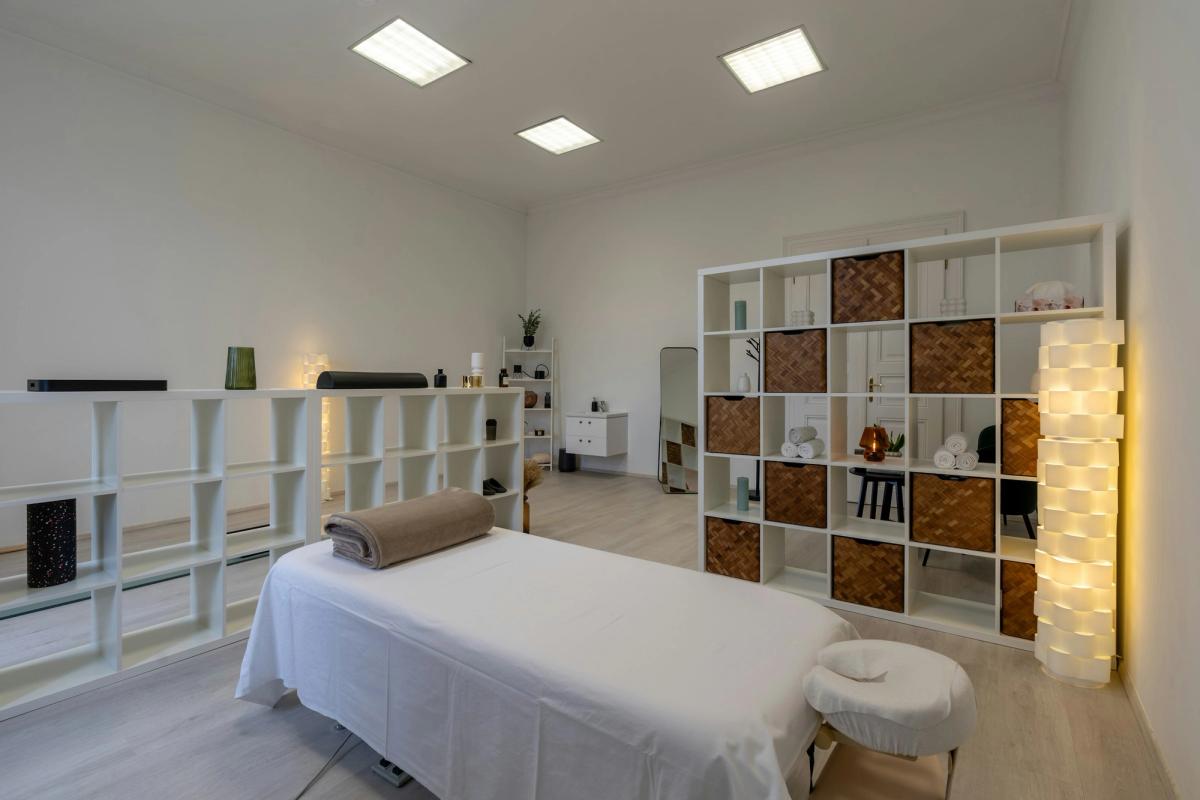
It is 2 pm, the treatment room is ready, the oil is warm, and nobody rings the bell. You send a message, then a second one. The client replies that evening: she had completely forgotten. For a one hour kobido or a 75 minute lymphatic drainage, that is a whole slot gone, along with the income it should have brought.
In many cases, a missed appointment does not come from a client acting in bad faith. It comes from forgetting, from a last minute problem she does not dare mention, or from a booking made too quickly. Each of these causes has its own fix.
Understand why your clients do not turn up
Before you tighten your rules, look at your last few missed appointments. For each one, note the time between the booking and the treatment, how it was booked (phone, Instagram, online) and whether it was a new client. After a few weeks, a pattern often appears. You may find that appointments booked far in advance are forgotten more often, or that first visits booked through a private message, with no commitment at all, are the most fragile.
This small record saves you from being strict with every client because of a few.
Send a reminder at the right time
A reminder is the simplest and least awkward step. Nobody is offended by a message that says “See you tomorrow at 2 pm for your kobido”. Sent the day before, it gives the client time to remember, or to let you know. For an appointment booked several weeks ahead, a first message a few days before lets her check her diary. For a kobido, which takes a long slot, see also what kobido booking software should be able to do.
A good reminder fits in three lines: the treatment, the day and time, the address. Above all, add a simple way to move or cancel. A client who can reschedule in two clicks will do it. One who has to call you during your treatment hours puts it off, then does not come. For timing and sample messages, see our article on appointment reminder texts.
If you send these messages by hand from your phone, set a fixed time of day for it, for example late afternoon. Otherwise it is the task that gets dropped on busy days.
Write your cancellation terms and have them accepted
Many practitioners have a rule in their head, and nowhere else. So when the problem comes up, the conversation is awkward and you often end up saying nothing.
Choose a clear notice period, for example 24 or 48 hours, and write down what happens inside that window. Show these terms where the client books, repeat them in the confirmation message, and ask her to accept them when she books. A rule known in advance goes down much better than one discovered afterwards.
Stay human when you apply it. A loyal client whose child is ill does not deserve the same treatment as someone who never warns you. Your terms give you a framework, and you keep the right to be flexible.
Ask for a deposit on the most exposed treatments
For long treatments, first visits or the popular Saturday slots, a sum paid at booking often changes behaviour. A client who has already paid part of her treatment is more likely to warn you when she cannot come.
In France, watch the wording: an acompte and arrhes do not have the same consequences depending on whether the client or you cancel. We explain both in our article on acompte or arrhes. There is also the card imprint, which charges nothing as long as the client respects your terms.
You do not have to apply it everywhere. You can keep it for new clients and treatments over an hour, and let your regulars book freely.
Fill the freed slot
A cancellation the day before is not always a loss, as long as you have someone to offer the slot to. Keep a short list of clients who told you they are available at short notice, or who are waiting for a slot for a specific treatment. A quick message is sometimes enough to fill the room.
It is also a good argument for your cancellation terms: the earlier a client lets you know, the better your chance of giving that slot to someone else. Say it simply, your clients will understand. If you use a platform, its own rules and fees come on top of yours: our article on the Treatwell commission explains what it takes.
What to do after a missed appointment
Send a short, neutral message the same day: you noticed she did not come, you hope everything is fine, and you offer her another slot. No reproach. If your terms say you keep the deposit, mention it calmly, without three paragraphs of justification.
Then note the absence in her client record. The first time, let it go. If it happens again, you can ask her for a deposit on her next appointments, even if your regulars do not pay one. Without a written note, you will not remember it at the right moment. And if a client stops coming altogether, our article on client retention for beauty practices explains how to follow up without pushing.
Put it all in place without spending your evenings on it
Taken one by one, these steps are simple. It is repeating them that wears you out, especially when you work alone. If you use a booking platform and are looking for a better fit, see how to choose a Treatwell alternative for independent practitioners. If you are on Planity, read our article on the Planity alternative instead.
This is what the Pommette deposits and reminders feature is planned for: a deposit, a card imprint or nothing at all, chosen for each treatment, and reminders that go out on their own, with a button to move or cancel. Your notes on each client stay in her client record, and your calendar is on your phone, between two treatments. You can see our pricing and join the waitlist: the first accounts open at the end of 2026.