How do you create a salon treatment package that sells?
A badly built treatment package has you working at a discount and ends in an argument about a forgotten session. Here is how to choose the treatments, set a sensible discount, write clear terms and track every package you sell.
- By The Pommette team
- 6 min read
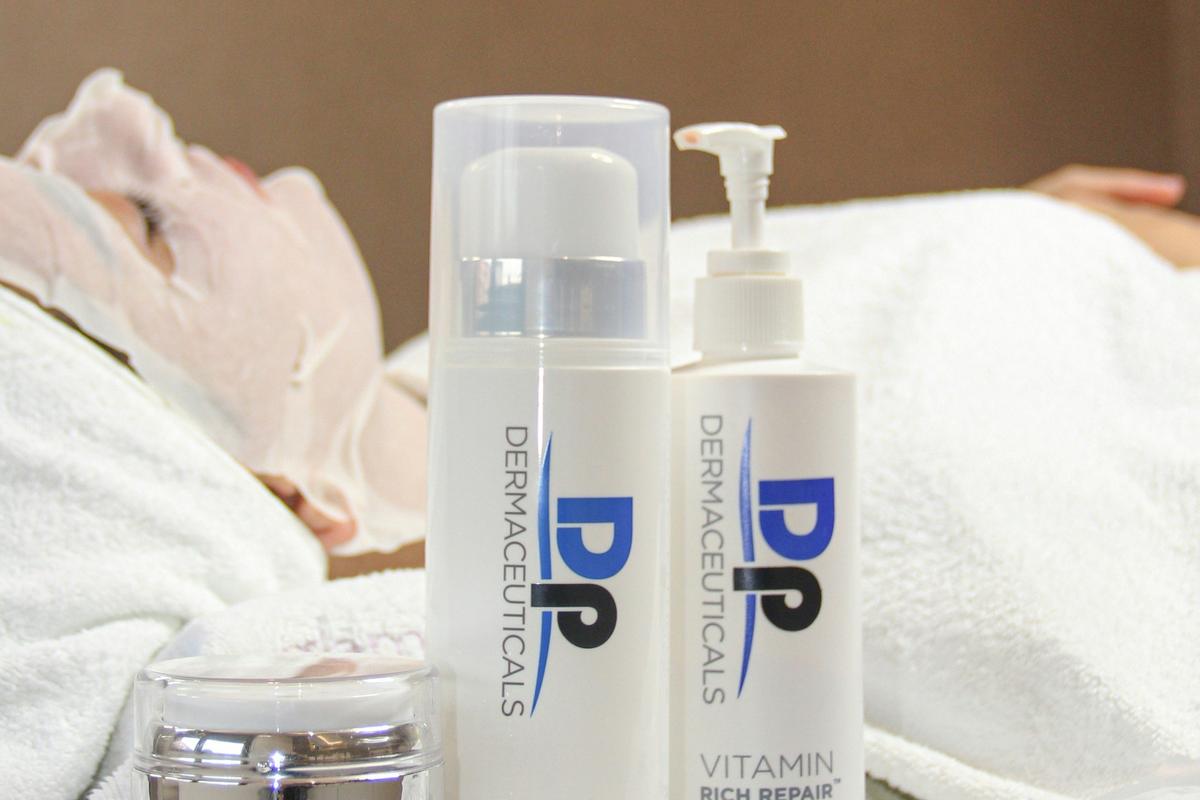
A well designed treatment package fills your diary weeks ahead and gives your clients a good reason to come back. A badly built one has you working at a discount and ends in an argument about a forgotten session. Here is how to choose the treatments, set the price, write the terms and track every package without spending your evenings on it.
Package, course or membership: which one should you offer?
The three words often get mixed up on treatment menus. They are not the same thing, though, and the choice changes the way you sell.
- The package (or book of sessions): a set number of sessions of one treatment, sold upfront, to be used within a given period. For example 5 leg waxes or 6 facials.
- The course: a package with a recommended rhythm. Sessions are close together, often once or twice a week, then the client moves on to maintenance. This is how lymphatic drainage and some kobido series work.
- The membership: a monthly payment that entitles the client to one treatment, or to a discount on your treatments. She does not pay everything at once, but she commits for longer.
If you are just starting, begin with the simple package. It is the easiest to explain and to track. A membership needs a monthly direct debit and clear cancellation rules, so keep it for later.
Which treatments work as a package?
Not every treatment suits a package. A good candidate is a treatment your clients already book several times, or one whose appeal comes from regularity.
Treatments that come back naturally
Waxing, the monthly facial, the maintenance massage. Your regular clients already book them every four to six weeks. The package does not change their habit, it secures it and gives you visibility.
Treatments done as a series
Lymphatic drainage, kobido in a close series, some body treatments. Here the client is looking for an effect over several sessions. Offering the treatment only as a single session often lets her stop after two appointments. For the rhythm and scheduling of these series, see our article on organising lymphatic drainage courses.
The discovery package
A package can also bring together two or three different treatments, for a new client who does not yet know what she prefers. Keep it short and easy to read: three treatments at most, a short validity period, a round price.
How do you price a treatment package?
This is where many practitioners lose money. The package discount comes out of your margin, not out of your costs. If your single session price is already tight, a big discount has you working for almost nothing. Before building your packages, check the base price with the method in our guide on how to price your facials.
A modest discount is enough
A package sells mainly because it makes life simpler for the client and gives her a framework. The discount is only a small nudge.
Example: your facial costs €70 as a single session. A package of 5 sessions at €330 comes to €66 per session, a discount of just under 6%. That is enough for the client to see the benefit, and you keep your margin.
Another approach works well: keep the session price and add a small extra. A hand treatment at the fifth session, a travel size product, ten extra minutes on the last session. It often costs less than a discount, and clients remember it better.
Round the price and show the price per session
A €330 package is easier to read than a €332.50 one. Show the price per session and the saving next to it. Your client will do the maths anyway, so you may as well do it for her.
Plan for price increases
If you raise your prices in January, packages sold in November stay at the price paid until their last session. That is normal, and you need to plan for it. A sensible validity period limits the number of sessions sold at the old price.
Which terms should you write before selling a package?
A package sold without written terms ends in a misunderstanding sooner or later. A few lines are enough, handed to the client when she buys and shown on your booking page.
- The validity period. It should match the rhythm of the treatment. Six months for five monthly facials is tight. Three months for a course of ten weekly sessions is comfortable.
- Cancellation. Is a session cancelled the evening before counted as used? Set a notice period, for example 24 or 48 hours, and stick to it.
- Is the package personal? Can a client give a session to her daughter? Both choices are fine, as long as you say which one applies.
- Stopping halfway. Moving house, pregnancy, a contraindication that appears after purchase: say what you offer (extending the validity, a credit note, refunding the remaining sessions at the single session price).
- Payment. In one go, in two or three instalments, or session by session at the package price. Paying upfront commits the client more, instalments reassure the one who hesitates.
Watch out: a term that rules out any solution in case of a serious reason to stop can cost you a client, and can sometimes be a problem under consumer law. If in doubt, have your terms checked by your professional federation or your accountant.
On the accounting side, a package paid upfront covers treatments you have not yet given. Ask your accountant once how to record it in your till and for VAT, when you launch your packages. While you are at it, check that your till is compliant with our article on certified till software in a salon.
How do you track sessions and payments?
A stamped loyalty card or a line in a spreadsheet works while you only have a few packages running. Beyond that, the questions start: how many sessions does Mrs Martin have left? Has she paid the second instalment? Does her package expire next month?
For every package sold, record in one place:
- the treatment, the number of sessions and the purchase date;
- the end of the validity period;
- what has been paid and what is still due;
- every session given, with its date.
Count the session off on the day, when the client pays or when the treatment ends, never in the evening from memory. And at the second to last session, talk about what comes next with your client: a new package, a maintenance rhythm, or a break. It is the best moment to do it, she has just had a good time with you.
A month before the validity period ends, a short message to clients who still have sessions left avoids lost packages and disappointment. Clients nearly always appreciate being reminded.
In summary
A good package starts from a treatment your clients already book several times, sold with a modest discount based on a fair single session price. The terms fit in a few lines: validity, cancellation, stopping halfway and payment. Tracking happens in one place for each client, session by session, on the day. If you are looking for a tool that counts down your courses and packages, Pommette opens at the end of 2026.