Japanese facial massage: kobido, gua sha or maderotherapy
Only kobido really comes from Japan. Where each technique comes from, a table of movements, tools and sensations, then how to guide a client who cannot decide and build your menu.
- By The Pommette team
- 8 min read
Updated 18 November 2026. Sources checked on 18 November 2026.
Of the three treatments clients file under “Japanese facial massage”, only kobido actually comes from Japan: gua sha comes from traditional Chinese medicine, and maderotherapy takes its name from Spanish. For a client who cannot decide, the easiest difference to explain is the tool: your hands for kobido, a flat stone for gua sha, wooden tools for maderotherapy.
The rest takes a few minutes on the phone or at the front desk: where each technique comes from, what the client will feel, and which one to suggest first. Here is what you need to answer without making things up.
Where does each technique come from?
Origin stories are often embellished on spa websites and social media. Here is what can be stated with a source, and what is better left out of the treatment room.
Kobido: a Japanese lineage
Kobido is first of all the name of a school. Its official website describes a Japanese lineage said to have started practising in 1472 in Shimizu, in Shizuoka Prefecture, with techniques derived from anma and shiatsu, two traditional Japanese massage arts. According to the same source, its current holder, Dr Shogo Mochizuki, is the 26th generation grandmaster, and the teaching now goes through a college based in Tokyo.
These dates come from the school itself. We found no independent historical source confirming them, and the name is now used as a brand: the website writes it Kobido®. In France, many training schools use the word for a hands only facial massage of Japanese inspiration, with protocols that vary from one school to the next.
With a client, one sentence is enough: “It is a facial massage of Japanese origin, done with the hands only.” It is accurate, and there is no need for tales of imperial courts.
Gua sha: a Chinese technique
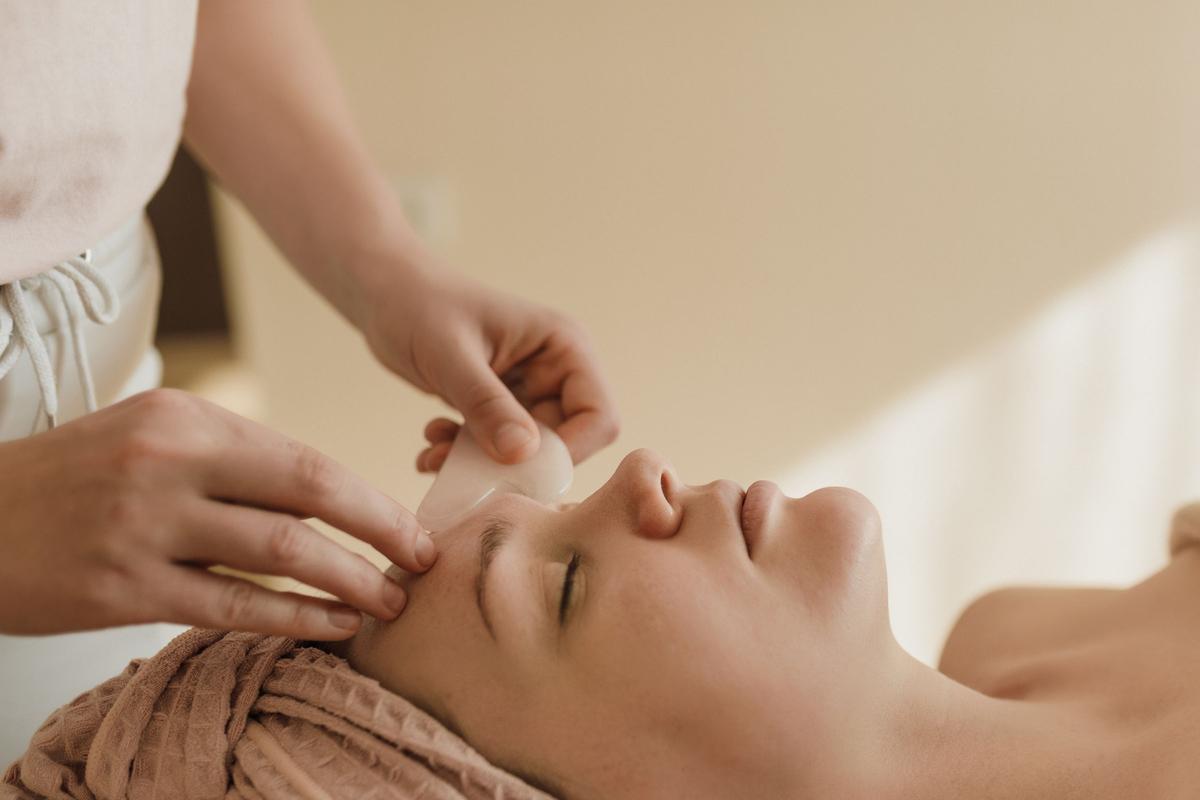
Cleveland Clinic, an American academic medical centre, links gua sha to traditional Chinese medicine. The term loosely translates as “scraping, rubbing or pushing”: it is a massage done with a smooth edged tool. A review published in 2023 in Integrative Medicine Research by Arya Nielsen and her coauthors describes it as a traditional East Asian technique, known in Vietnam as cao gio.
In its traditional form, gua sha is mostly done on the back, neck and shoulders, with a pressure that leaves red marks. The facial version you offer in the salon has little in common with it: Cleveland Clinic points out that facial skin is thinner and should be worked with very light pressure. The situations where you should not do it are covered in our article on facial gua sha contraindications.
Maderotherapy: a poorly documented origin
The word comes from the Spanish madera, wood. The technique uses wooden tools of various shapes, rollers and carved pieces, and it is best known on the body. Many websites say it was born in Colombia, others give it Chinese or pre Columbian roots, without ever citing a solid historical source.
The honest approach is not to invent a story. You can tell the client that maderotherapy has nothing Japanese about it, that its name comes from Spanish and that it is done with wooden tools.
Kobido, gua sha, maderotherapy: the comparison table
This table helps you explain the three treatments in a minute. It gives general markers: your own protocol, learned in training, may differ.
| Technique | Movements | Duration | Tool | What the client feels |
|---|---|---|---|---|
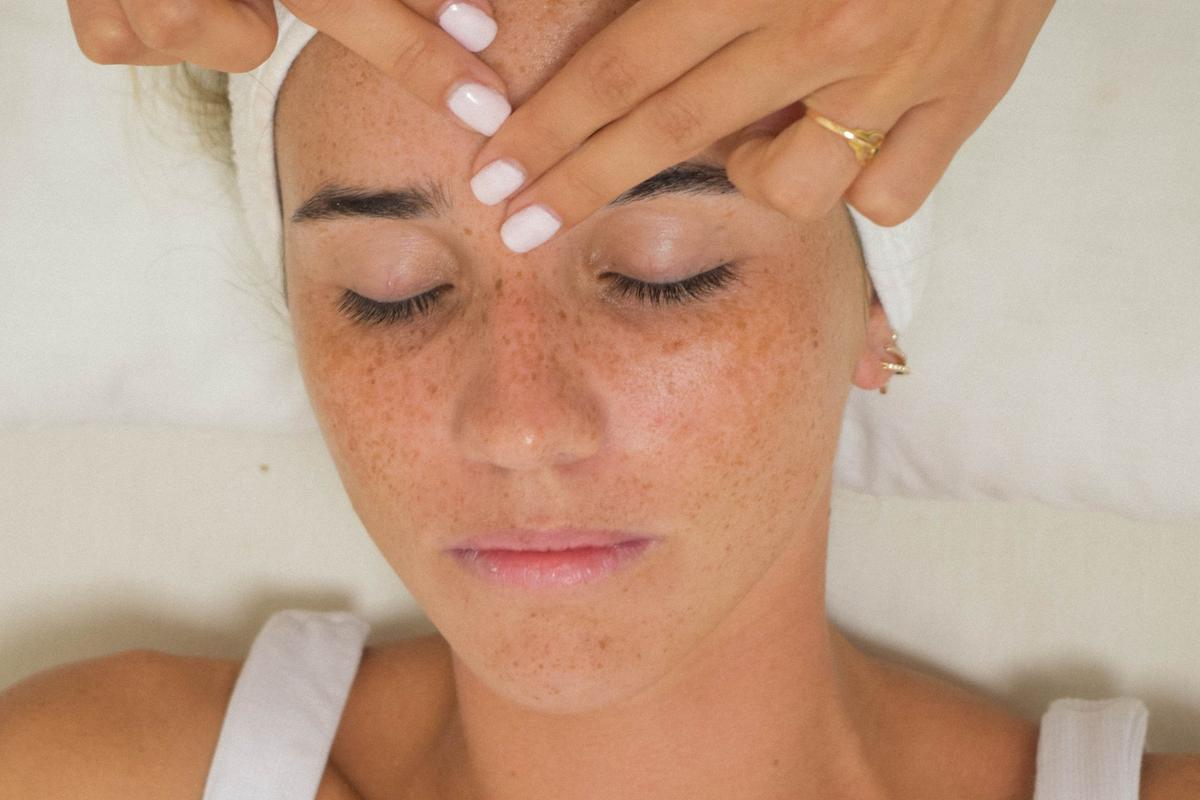
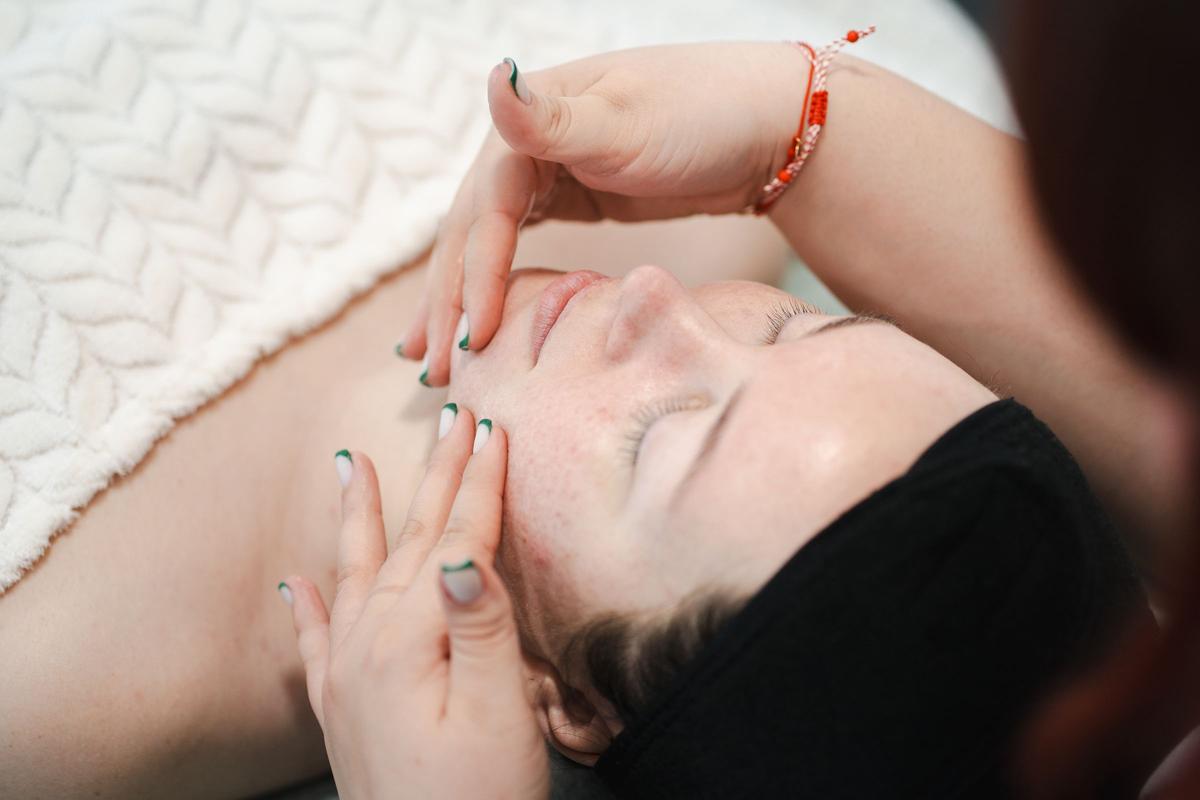
| Kobido | Quick, rhythmic manual movements: kneading, pressing, tapping, smoothing | A full treatment on its own | Hands only, with an oil | Rhythmic, brisk at times, never painful |
| Facial gua sha | Slow strokes in one direction, from the centre of the face outwards, never back and forth | A full treatment, or a short sequence at the end of a facial | A flat stone with smooth edges, on skin prepared with oil or serum | Slow, cool glide, slight redness possible, no pain |
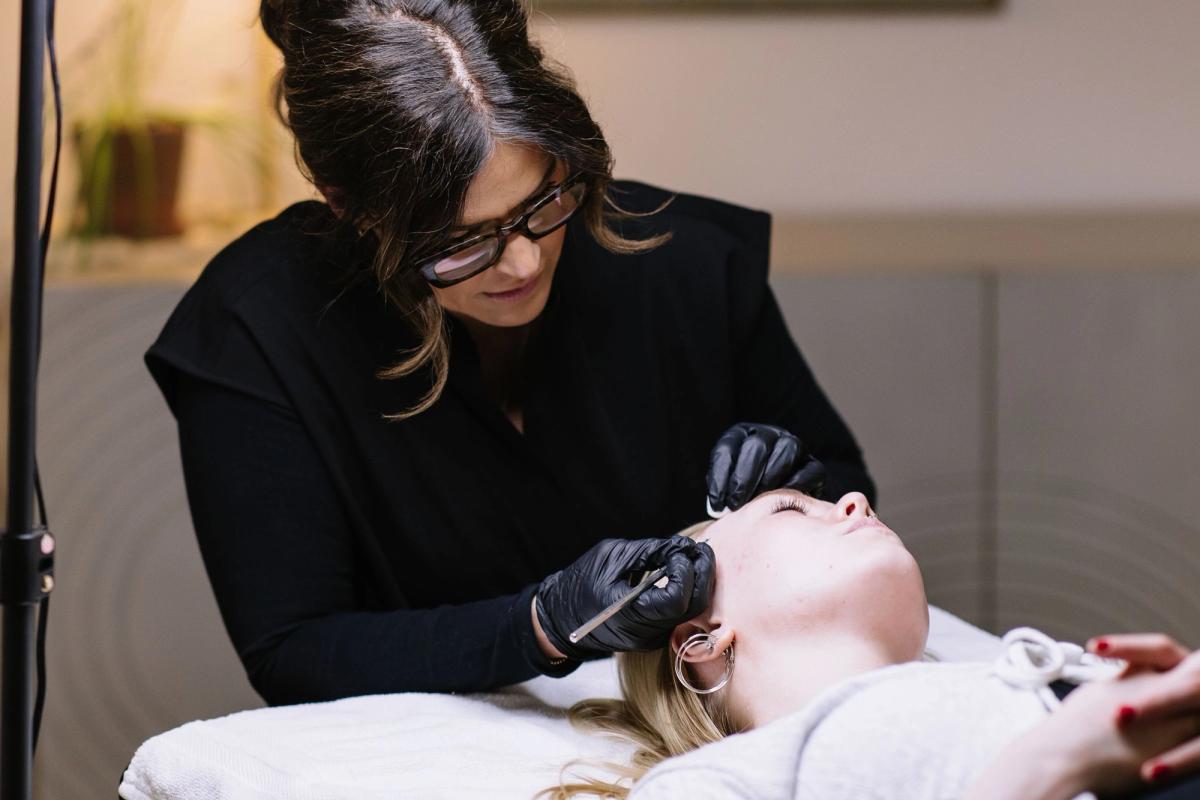
| Maderotherapy | Rolling, pressing and gliding with the tools | A full treatment, more often offered on the body than on the face | Wooden tools of various shapes | Pressure varies with the tool, adjusted with the client |
We have not put minutes in the duration column. It depends on your protocol and on what you include around the massage: cleansing, mask, resting time. Show yours on your menu so the client knows exactly what she is booking.
In the treatment room, three simple sentences often do the job. “Kobido is my hands, at a fairly quick pace. Gua sha is a smooth stone gliding slowly, it is calmer. Maderotherapy uses wooden tools, and we set the pressure together.”
Which treatment for which client?
Start from the client, not the technique. Before you advise, ask three questions: what she expects from the session, what she likes or dislikes in a massage, and how her skin is today.
A client who enjoys the contact of hands and slightly brisk massages will often feel at ease with kobido. One who mostly wants to switch off, who tells you she falls asleep as soon as someone touches her face, will rather enjoy the slow pace of gua sha.
A client who has bought a gua sha stone and does not know how to use it is a good candidate for gua sha in the salon. At the end of the session, show her two or three movements to repeat at home, with the same light pressure.
Facial maderotherapy will rather suit a client who already knows wooden tools, often because she discovered them on the body. It is frequently sold for body contouring: on your menu, stick to comfort and sensation, with no slimming promise.
What you do not promise
None of these three techniques treats anything. Cleveland Clinic itself notes that there is not enough high quality research to establish the benefits of gua sha. Talk about relaxation, comfort and a rested looking face, never about a lift, an anti wrinkle effect or flushing out toxins.
When not to massage
You do not make a diagnosis. For gua sha, Cleveland Clinic lists several situations where it is better to hold back: irritated, broken or sunburnt skin, eczema or psoriasis, circulation problems, diabetes, blood thinners, chemotherapy, pregnancy. We advise the same caution for kobido and maderotherapy. At the slightest doubt, the client asks her doctor before the appointment, and you note the answer in her record.
How do you combine kobido, gua sha and maderotherapy on your menu?
A clear menu prevents most hesitation before the client even calls. A few principles are enough.
Give each technique its own line, with a short description built on the tool and the sensation. For example: “Kobido: hands only facial massage, rhythmic and enveloping” or “Facial gua sha: slow stone strokes for a calm moment”. The client understands the difference without having to call you.
Name your treatments honestly. Only call kobido a treatment learned according to a kobido protocol, and do not present gua sha as a Japanese massage. A client who has already had a real kobido elsewhere will notice the difference straight away.
If you are trained in two techniques, a treatment combining them can work as a way in: hands first, then a finish with the stone, for example. Keep a fixed duration and price, worked out like your other treatments. Our article on kobido session prices explains the floor price method, which also applies to a combined treatment.
For a course of sessions, rather keep the same technique from one session to the next. The client can compare what she feels, and each time you note in her record what was done, the pressure chosen and her comments. She can then try the other technique, knowing what to expect.
Finally, check that your booking tool shows these differences: a description of each treatment, the real duration, the time needed to reset the room. We listed these points in our article on booking software for kobido practitioners.
Frequently asked questions
Is kobido a Japanese massage?
Yes. Kobido presents itself as a Japanese facial massage technique, handed down by a lineage whose school dates its beginnings to 1472, in Shimizu. That date comes from the school’s own account, with no known independent historical confirmation.
Is gua sha Japanese or Chinese?
Gua sha is Chinese: Cleveland Clinic links it to traditional Chinese medicine. Similar practices exist elsewhere in East Asia, such as cao gio in Vietnam. There is nothing Japanese about it, even though it often sits next to kobido on treatment menus.
Which one should a client choose for a first treatment?
There is no single answer: start from what the client expects and from the state of her skin on the day. A client who likes brisk massages will often feel at ease with kobido, a client looking for calm with gua sha. If she has any doubt about her health or her skin, she asks her doctor before booking.
Is maderotherapy a Japanese technique?
No. Its name comes from the Spanish madera, which means wood, and its origin is poorly documented: it is often said to be Colombian, without a solid historical source. It is done with wooden tools, mostly on the body.
Pommette, which opens at the end of 2026, plans online booking at launch: each treatment on your menu has its description, duration and price, and the client picks hers before she comes in.
Sources: Kobido®, “Heritage” page on kobido.com; Cleveland Clinic, “Gua Sha: What It Is and How To Do It” (September 2025); Nielsen A., Handel M., Stone J. A. M., Lee M. S., “Misreport of burns as a result of ‘coining’, Gua sha”, Integrative Medicine Research, 2023, 12(2), 100953; Real Academia Española, Diccionario de la lengua española, entry “madera”. Checked on 18 November 2026.